Our Latest News


10 Essential Banned Books You Need To Read Right Now
Banned Books Through the Ages
Book banning isn't a new phenomenon – it traces all the way back to 213 BC. Historically, literature has been silenced to maintain religious, political, and social control. Today, bans often target books that explore LGBTQIA+ themes, race, racism, inequality, and social justice, with some claiming these works are 'obscene.' Such censorship limits young minds, driven by a minority of vocal objectors.
Looking for Alaska: A Tale of Underage Exploration
John Green's debut, Looking for Alaska, draws from his own experiences at the private Indian Springs School, offering a heartfelt dive into themes of grief, loss, hope, and forgiveness. The 2005 novel stands as the second most banned book in US public schools from 2021 to 2024. It faces criticism for profanity, crass language, and portrayals of teenage drinking, smoking, and a memorable scene highlighting young love's complexities.
The Hate U Give: Confronting Hard Truths
Angie Thomas's The Hate U Give is a poignant exploration of systemic racism and police brutality through the eyes of Starr Carter, a 16-year-old Black girl. The novel frequently encounters censorship attempts for its language, violent depictions, and candid discussions on racial justice, accused of pushing a social agenda. Amandla Stenberg's film portrayal masterfully captures the book’s vital themes.
“These stories are more than just narratives; they’re lifelines for understanding complex social issues,” said a literary advocate.
Fahrenheit 451: The Irony of Censorship
Ray Bradbury's classic, Fahrenheit 451, ironically faces bans despite its critical look at censorship. Since 1953, the novel has been challenged for its profane language and its controversial themes, including a Bible burning scene. Some find it anti-Christian, missing the irony of banning a book about the perils of censorship.
The Color Purple: Challenging Oppression
Alice Walker’s The Color Purple tells Celie’s story of survival and self-discovery amidst severe abuse. Despite its Pulitzer Prize, the novel is frequently banned for explicit content related to sexual violence and LGBTQIA+ themes. Yet, it remains a celebrated classic beloved for its raw portrayal of resilience.
Last Night at the Telegraph Club: Queer History in the Making
Malinda Lo's 2021 novel Last Night at the Telegraph Club is a celebrated yet frequently banned YA historical tale of self-discovery amid the 1950s Lavender Scare. Despite prestigious awards, its LGBTQIA+ themes face criticism as 'obscene.' The book's author highlights the trauma of such censorship for creators and readers alike.
The Hunger Games: Rebellion in the Arena
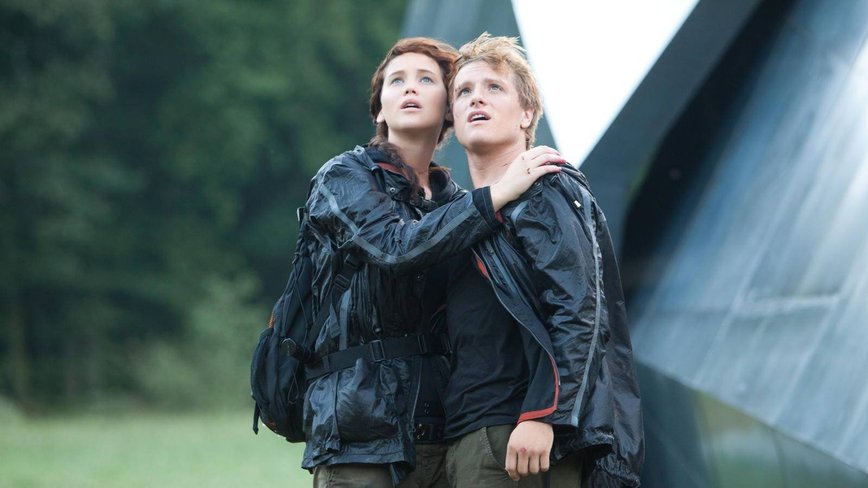
Suzanne Collins’ blockbuster series, The Hunger Games, though a mainstream hit, isn’t immune to bans. Cited for violence and political themes, it reflects on power and rebellion, challenging readers to question authority. The criticisms of its 'anti-family' and 'anti-religious' stances miss its broader societal messages.
His Dark Materials: A Critique of Faith
Philip Pullman’s His Dark Materials faces bans for its perceived anti-religious narratives. The presence of the Magisterium, an oppressive religious body, invites accusations of promoting atheism. Despite these challenges, the series remains a beloved counter-narrative to C.S. Lewis’ Christian allegories.
The Perks of Being a Wallflower: A Voice for Adolescence
Stephen Chbosky's The Perks of Being a Wallflower captures the authentic tumult of adolescence, spanning themes of mental health, sexuality, and identity. Though highly challenged for its mature content, it offers solace and reflection for teens navigating similar experiences.
The Handmaid's Tale: Feminism Under Fire
Margaret Atwood’s The Handmaid's Tale remains a cornerstone of feminist literature, often banned for its mature content and political critiques. Atwood's work challenges religious fundamentalism, leading to accusations against its 'anti-religious' stance. In protest, an 'unburnable' edition was sold for $130,000, standing against censorship efforts.
Nineteen Eighty-Four: Dystopian Reality
George Orwell's Nineteen Eighty-Four remains a significant yet frequently challenged work, critiqued for its stark portrayal of government overreach. Modern bans focus on its sexual content, underscoring the enduring irony of censoring a novel on censorship.
Categories:

Author: Nico