


Onlyfans Stars In The Spotlight: How Tv Is Capturing The Platform'S Impact On Modern Culture
The Rise of OnlyFans: From Social Media to Cultural Phenomenon
Once upon a time, social media promised connection. However, platforms like OnlyFans transformed that connection into currency. With over 377 million registered users and more than 4 million active creators, OnlyFans thrives not on mass audiences but on intense, financially committed relationships. This unique model allows creators to sustain significant income through devoted followings.
The allure of OnlyFans lies in its global reach combined with personal monetization. This formula has propelled the platform from a mere curiosity to a key player in both the digital economy and contemporary culture. It's no wonder recent TV series such as "Margo’s Got Money Troubles" and "Euphoria" have woven its influence into their narratives.
Origins and Evolution: The OnlyFans Journey
Launched in 2016, OnlyFans was founded on a straightforward concept: creators produce content, users pay for access, and the platform takes a cut. This direct approach offers financial autonomy and control over one's image without traditional media intermediaries.
Yet, the platform's evolution was shaped by existing social media dynamics. OnlyFans intensified the monetization of performance and image, transforming intimacy and consumption into inseparable categories. While its original vision was broader, akin to services like Patreon, it became a hub for adult content due to minimal censorship and direct payments, redefining the digital landscape.
TV's Take: From "Margo's Got Money Troubles" to "Euphoria"
In "Margo’s Got Money Troubles," OnlyFans is portrayed not as a provocation but as a necessity. Elle Fanning's character, Margo, turns to the platform out of need rather than rebellion. The series explores the practical consequences of financial liberation, intertwined with new dependencies shaped by audience metrics and subscription demands.
“OnlyFans is not just about income; it demands a continuous performance of the self,” one critic observed of the series' portrayal.
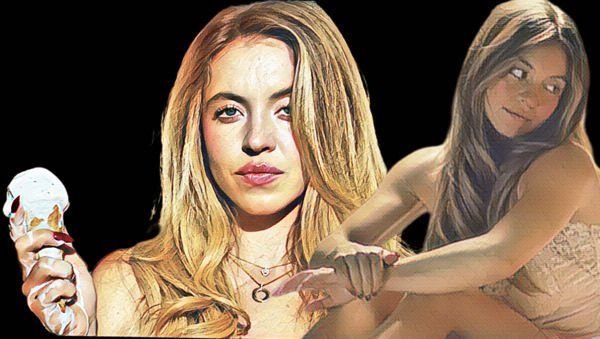
"Euphoria" takes a different path, with Sydney Sweeney's character Cassie using OnlyFans as a means to financial independence, highlighting the interplay of desire, validation, and exposure. This storyline critiques the commodification of intimacy, portraying a transactional reality where personal identity is driven by the gaze of others.
Critiques and Cultural Commentary
Both series offer different critiques of OnlyFans' cultural impact. "Euphoria" is bold, exposing the darker realities of digital exposure, while "Margo’s Got Money Troubles" uses humor to explore similar themes. The latter risks being seen as simplistic, potentially glossing over the mental and emotional stress faced by many creators.
The portrayal of OnlyFans in these shows reflects Hollywood's growing interest in how digital platforms shape narratives of desire, power, and identity. They reveal that the allure of OnlyFans lies in its ability to merge empowerment with the complex realities of sustained visibility and exposure.
The Future of OnlyFans in Media
As OnlyFans continues to captivate the cultural imagination, its role in storytelling highlights the tensions of the digital age: monetizing intimacy, constructing identity under constant scrutiny, and balancing autonomy with new pressures.
OnlyFans offers a real alternative to traditional labor structures for some, but it also poses challenges of visibility and exposure. This nuanced reality makes it an enticing subject for fiction, with no easy answers or comfortable resolutions. Perhaps the question is not why someone joins OnlyFans, but why it increasingly feels like a viable choice in today's world.
Categories:

Author: Nico