
Our Latest News


Chatgpt Age Verification: What You Need To Know
OpenAI's New Age Verification System
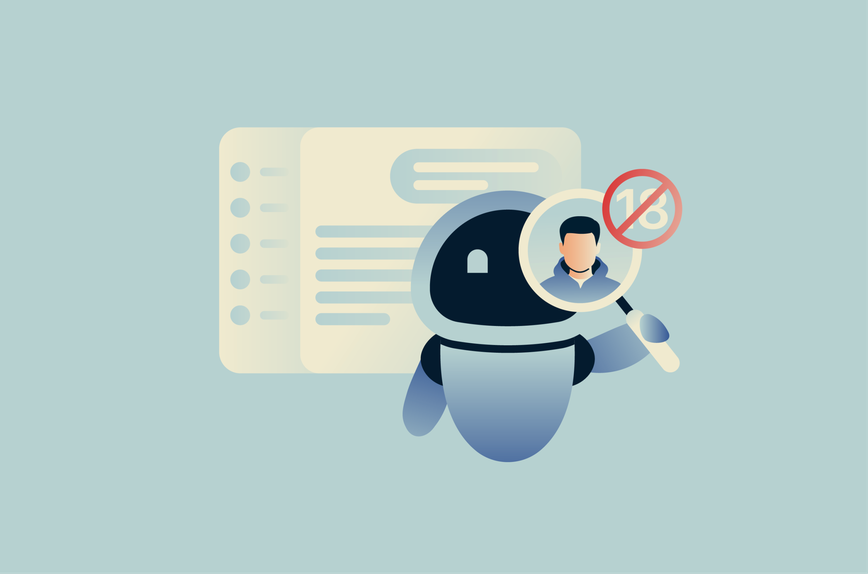
OpenAI rolled out a significant update in January 2026 with an age prediction system for ChatGPT. This system estimates whether an account is likely used by someone under 18 and automatically applies stricter content rules to those accounts. The change is part of OpenAI's broader initiative to enhance teen safety on their platform.
OpenAI has traditionally enforced stricter rules for users who self-identify as under 18. The innovation here is the automated age estimation, which evaluates account activity and usage patterns to classify users who may not have disclosed their true age or provided incorrect information. Adults mistakenly categorized in the under-18 experience can verify their age through a third-party service.
Understanding the Age Verification Process
The age verification process for ChatGPT involves several steps and considerations. If an account is flagged, users may need to verify their age using a selfie, a government ID, or both, depending on their region. OpenAI's terms set the minimum age for using ChatGPT at 13, with parental consent required for minors.
In a blog post from September 2025, OpenAI CEO Sam Altman explained that while privacy is a concern, teen safety takes precedence. "We believe the trade-off between privacy and safety is necessary to protect our younger users," Altman stated.
Privacy and Data Considerations
The verification process, handled by third-party services like Persona or Yoti, depends on the user's location. These services may require a live selfie and a government ID, and they ensure data is deleted within a specified time frame post-verification. Persona, for instance, retains data for up to seven days, while Yoti's policy allows a six-month retention period for verification results.
Impacts and Public Reaction
The implementation of age verification comes amid growing scrutiny of AI chatbots' influence on users, especially minors. In 2025, OpenAI faced legal challenges, including a lawsuit after a tragic incident involving a 16-year-old. These lawsuits highlight the ongoing debate over AI's role in user safety and responsibility.
OpenAI's age verification also means verified adults gain access to less restricted content. Sam Altman mentioned in October 2025 that this change is part of a broader strategy to treat adult users accordingly. Additionally, regulators like the FTC are probing how AI chatbots impact minors, reflecting the need for increased safety measures.
Regional Differences and Safety Tips
Regional regulations affect how age verification is enforced. For instance, Italy requires verification to continue using ChatGPT, reflecting its history of regulatory action concerning AI platforms. Meanwhile, the EU's Digital Services Act demands stringent safety, privacy, and security measures for minors.
Users are advised to limit personal data shared with AI chatbots, review privacy settings regularly, and consider using security tools like VPNs to safeguard their information. OpenAI also offers features like Temporary Chats to help users maintain privacy, emphasizing the importance of personal data protection in today's digital landscape.
Categories:

Author: Nico