
Our Latest News


Fireflies Light Up Swiss Night: A Seasonal Spectacle
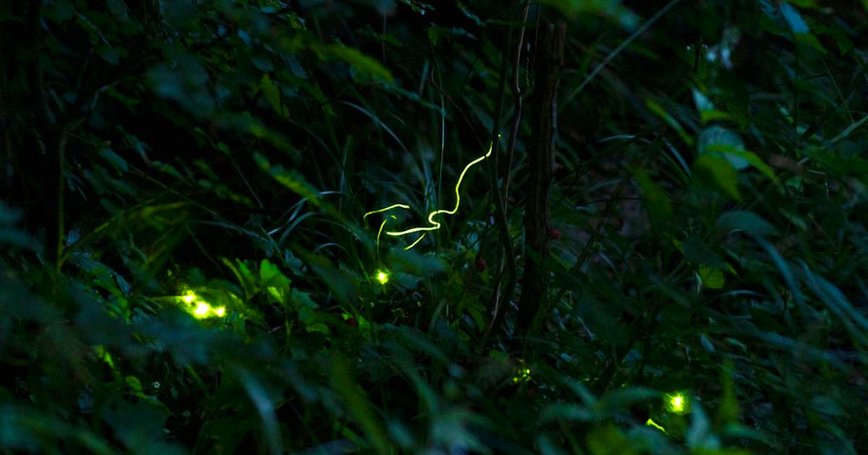
Firefly Season Takes Switzerland by Storm
The enchanting glow of fireflies is back in Switzerland, marking the start of a brief yet magical season. As these luminous beetles light up the night, nature conservation organizations and research projects are encouraging the public to report sightings. This mesmerizing light show, however, can only be caught for a few weeks each year.
"Fireflies light up Switzerland again at night," summarizes blue News, underscoring the rarity and excitement of this natural phenomenon. But why do these cheerful insects glow, and where can they be spotted?
Behind the Glow: Firefly Mating Rituals
The glow of the common firefly, Lampyris noctiluca, is all about romance. During mating season, which runs from June to July, flightless females remain on the ground, casting a greenish-yellow light to attract flying males. This spectacle occurs at different times depending on altitude – mid-June in lowlands and July in higher regions. The adults have a short active lifespan, lasting just two to four weeks, after which they mate, lay eggs, and die.
Life Beyond the Glow
Most of a firefly's life is spent in the shadows. Before reaching their luminescent adult stage, fireflies live as larvae for two to three years, feeding on snails while tucked away in soil and plant layers. They eventually pupate and emerge as the fireflies we recognize.
Where to Catch the Firefly Show
Want to catch this glowing extravaganza? Fireflies are found throughout Switzerland in spots like forest edges, damp meadows, parks, and even near water. Key viewing locations include Zurich's Käferbergwald forest, the Schaffhausen forest cemetery, Aargau Jura, the base of Mount Pilatus, and Lausanne's Parc Bourget.
Experts advise that the best way to observe them is on warm, still nights, free from artificial light, which can disrupt their communication.
Challenges and Conservation
Though a beloved sight, fireflies face growing threats. The decline in their population is linked to habitat loss and increased light pollution. Conservationists highlight intensive agriculture, soil sealing, and chemical use as additional stressors. Various projects, like "Fireflies in Winterthur," are gathering public reports to better understand their distribution. Initiatives in eastern Switzerland and beyond are also capturing valuable data.
Helping Fireflies Thrive
Pro Natura, a conservation organization, suggests maintaining dark, natural habitats to support firefly populations. Gardeners can play a vital role by avoiding pesticides and using natural lighting. Simple steps like keeping piles of branches, stones, and minimally mown meadows can create safe havens for these beetles.
Understanding the 'Little Worm'
The nickname "little worm" stems from the firefly's appearance, especially the females. Unlike the typical beetle look, female fireflies are flightless with elongated, worm-like bodies. Males, however, have wings and the classic beetle appearance. The fascinating differences between male and female fireflies add another layer to their captivating story.
Categories:

Author: Cole