
Our Latest News


Keir Starmer Plans Bold Internet Crackdown To Protect British Youth
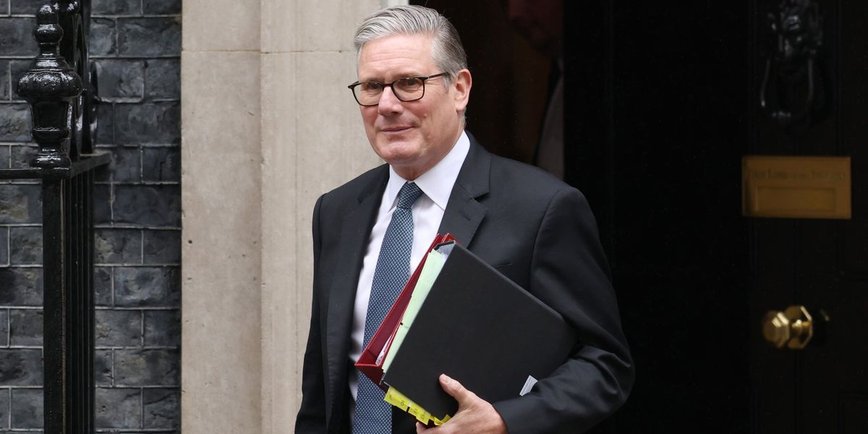
Keir Starmer's New Digital Safety Measures
Sir Keir Starmer is gearing up for a significant policy move – internet restrictions targeting millions in the UK, with an announcement expected imminently. The Prime Minister plans to introduce an "Australian-plus" model, following a thorough three-month evaluation of Australia's social media ban. This new framework will combine restrictions for under-16s on high-risk platforms with measures against addictive digital features and stricter age-verification protocols.
The first phase of this comprehensive initiative is expected to be revealed tomorrow. It will compel tech companies to adopt software solutions that restrict children from taking, storing, or sharing intimate images. Experts have noted that implementing a complete social media ban for under-16s poses challenges. Yet, tech giants like Google and Apple might face fines, limitations on device sales to minors, or even criminal consequences should they fail to comply within a 90-day window.

“This new technology is a 'game changer' for protecting children from online predators.” – Jess Phillips
The Move Towards Enhanced Online Safeguards
Jess Phillips, former Safeguarding Minister, has been a prominent advocate for these measures. She views the nude-image prevention technology as revolutionary in shielding children from online threats. According to a government consultation, a substantial 89% of 9,500 responding parents support enforcing a legal age minimum for accessing social media platforms. Dame Rachel has been vocal about the "dereliction of duty" by adults, emphasizing the need for robust online child protection. Many young users have resorted to disabling notifications, deleting accounts, and using app blockers to self-regulate.
Despite the previously enacted Online Safety Act, concerns persist regarding children's exposure to harmful content. A separate review by the UK Government is considering a potential ban on VPNs for minors, amidst worries that these tools could allow young users to bypass age restrictions on adult content.
Addressing Subtle Online Threats
Research cited by the commissioner highlights that 15% of children aged 13 to 17 have encountered content promoting eating disorders, while 13% have been exposed to material encouraging suicide or self-harm. Dame Rachel argues that past legislation has not adequately tackled these subtle online dangers, including addictive platform designs and excessive screen time driven by late-night scrolling.
“It’s not about banning children,” Dame Rachel clarifies. “Children have done nothing wrong. The goal is to prevent powerful tech companies from accessing and harming England's youth.”
Categories:

Author: Nico