


When Should Kids Get Their First Phone? A Parenting Dilemma
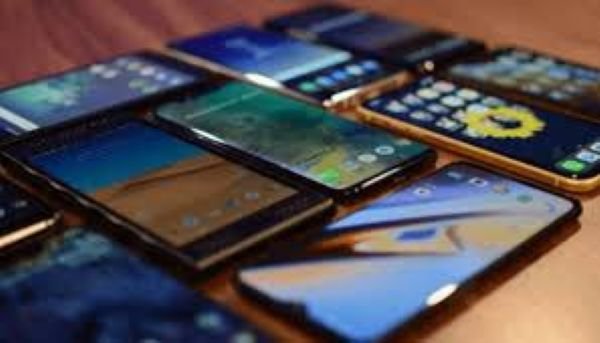
The Digital Age Conundrum
In today's fast-paced digital world, students often find themselves relying on technology in ways that might not always be beneficial. The rise of AI applications has made it easier for kids to skip doing their own assignments, impacting their academic progress. Social media, when misused, distracts young minds from focusing on their studies, creating a new set of challenges for modern parents.
Smartphones and Maturity – Finding the Balance
Parents today face the daunting task of deciding when their child is ready for their first phone. With toddlers effortlessly swiping through touchscreens, the key is waiting for signs of maturity and responsibility. Experts suggest that between the ages of 12 and 14, most children can handle the digital world with the right guidance.
“In a world where social media creates immense pressure, parents and educators must ensure technology aids in learning, not hinders it,” says digital parenting expert Omonkhomion Goodness Matilda.
The Dark Side of Social Media
Social media's influence on teens is undeniable – many feel pressured to meet unrealistic expectations portrayed online. The quest for online approval can lead to tragic outcomes, including depression and even suicide. It is crucial for governments to regulate social media to foster a safer environment for our youth.
Creating a Safe Digital Environment
Kids today are exposed to adult content under the guise of entertainment, leading to misconceptions about reality. The glamorization of fake luxury lifestyles can distract children from their education, with many dismissing school as irrelevant. Parents, educators, and authorities must collaborate to ensure that technology remains a tool for positive growth and learning.
In conclusion, while technology offers numerous benefits, its potential dangers must be managed. Only when children exhibit the maturity to navigate the digital landscape responsibly should they be entrusted with a smartphone. By working together, we can turn technology into a powerful ally for development rather than a source of distraction and harm.
Categories:

Author: Cole